Upper lip and chin
- Typical gap
- 4 to 6 weeks
- Notes
- Facial hair cycles faster. Sun protection matters between visits.
Sessions
Most courses run six to eight visits spaced weeks apart. Hair grows in cycles, so one session cannot catch every follicle. Below is how a typical course is structured, how far apart visits should be, and what changes the total count.
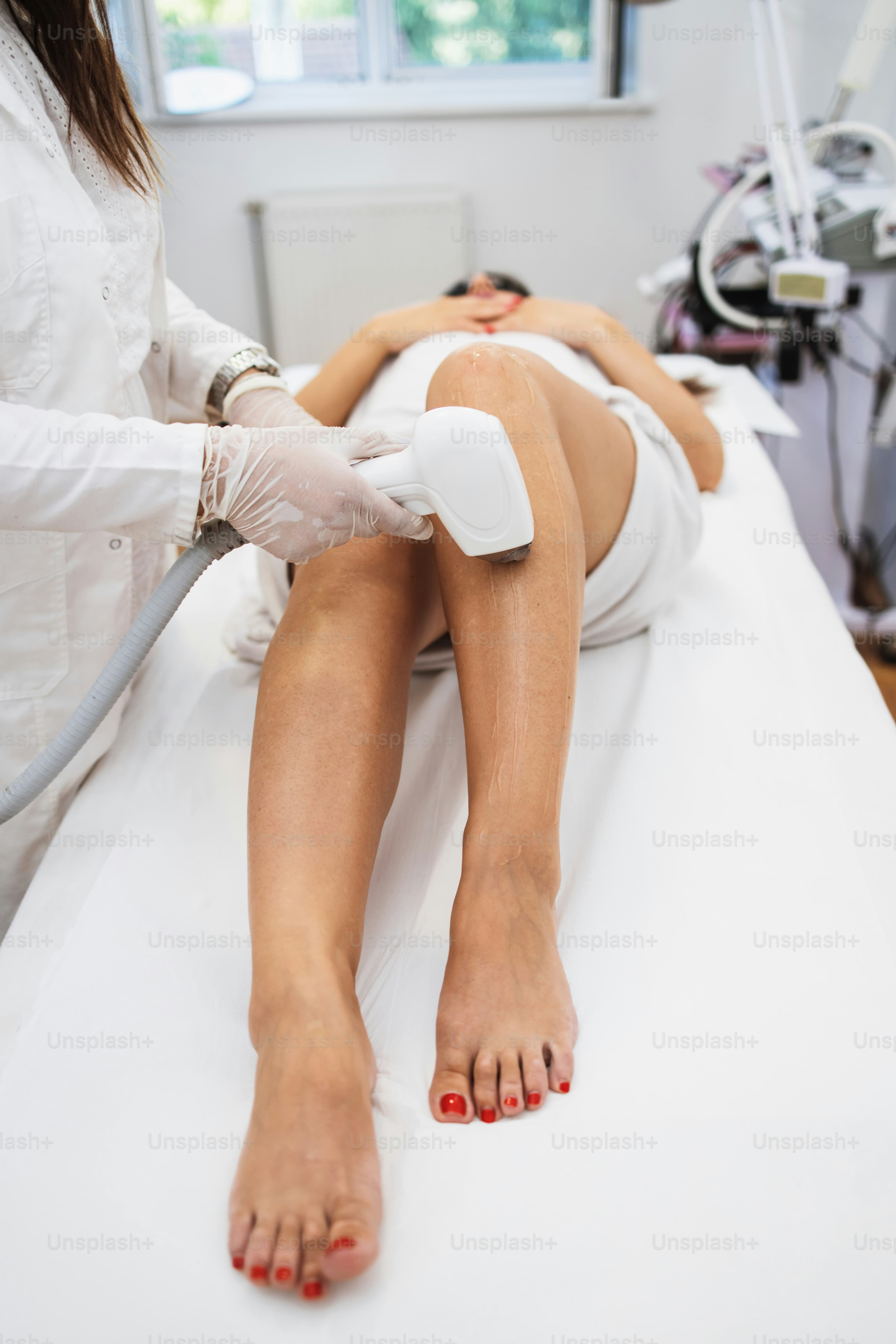
A full course is spread over months. Each visit targets follicles in an active growth phase.
Six to eight sessions on one area is the usual starting point quoted by clinics in Islamabad and Rawalpindi. Some people finish in six. Others need eight or more, especially on coarse body hair, hormonal areas, or deeper skin tones where settings stay conservative. Facial areas sometimes need shorter gaps between visits. Legs and back often need longer gaps. Maintenance touch-ups once or twice a year are common after the main course, particularly on the face, underarms, or with PCOS-related hair growth.
The mechanism
Laser light mainly affects follicles that are actively growing. The rest are resting and will need a later visit.
Hair cycles through growth, transition, and resting phases. Laser energy is absorbed by pigment in the follicle during the growth phase. Follicles in resting phase are largely unaffected in that visit. At any given time, only a fraction of hairs in an area are in the growth phase. That is why clinics space sessions weeks apart: to catch new follicles as they enter growth.
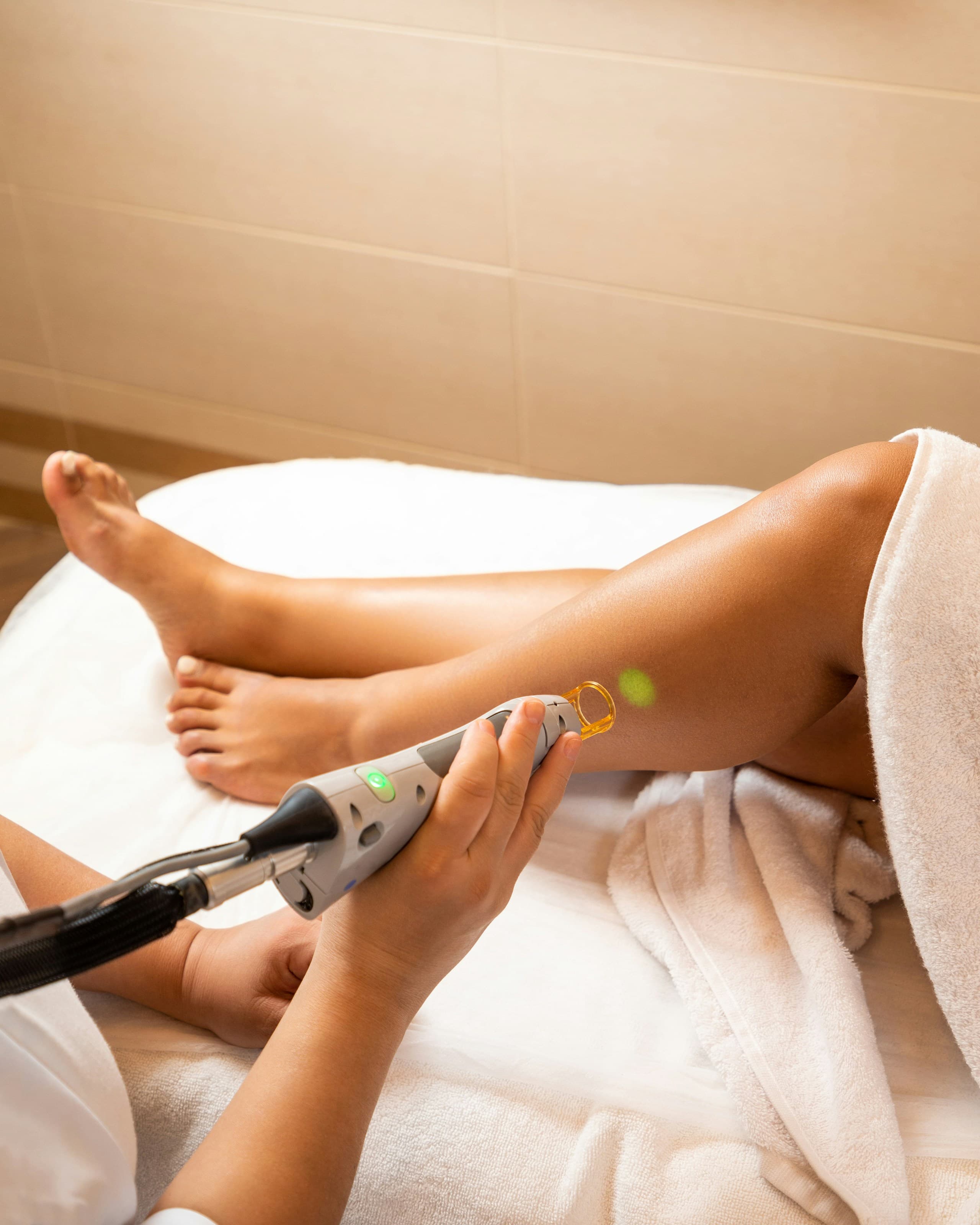
Phases vary by person, but this is the pattern most clinics describe.
Skin and hair reviewed, settings chosen, small test zone treated. First full session scheduled after the skin reaction is checked.
Visible thinning begins. Shedding one to three weeks after each visit is normal. Redness usually settles within a day or two.
Intervals often widen as regrowth slows. Hair that returns is usually finer and sparser. Extra sessions may be added if coarse patches remain.
Some follicles recover over time. Hormonal hair on the face, chin, or body may need occasional top-up visits once or twice a year.
Spacing
Gaps are set by area and hair cycle, not by package marketing. Confirm intervals at your clinic.
Typical spacing between laser hair removal sessions by area
| Area | Typical gap | Notes |
|---|---|---|
| Upper lip and chin | 4 to 6 weeks | Facial hair cycles faster. Sun protection matters between visits. |
| Underarms | 4 to 6 weeks | Compact area. Often one of the quicker courses to show reduction. |
| Arms | 5 to 7 weeks | Session length longer than face. Settings may differ on forearm vs upper arm. |
| Legs | 6 to 8 weeks | Large area with slower apparent change early on. Full course runs longer in calendar time. |
| Back and chest | 6 to 8 weeks | Dense coarse hair may need the upper end of session count and spacing. |
| Full face | 4 to 6 weeks | Shorter gaps than large body areas. Sun protection between visits matters more here. |
Hair growth cycle
Each visit
Variables
These are common reasons a plan runs longer than the brochure minimum.
Factors that can increase the number of sessions needed
| Factor | Typical effect |
|---|---|
| Hormonal hair growth (e.g. PCOS) | More sessions and more frequent maintenance on face or body. |
| Coarse or dense hair | May need extra passes or higher session count on legs, back, or beard area. |
| Deeper skin tone | Conservative settings can mean slower progress per session but safer treatment. |
| Light blonde, grey, or white hair | Poor laser response. IPL or laser may show limited reduction regardless of session count. |
| Stopping mid-course | Untreated follicles keep cycling. Partial reduction is not the same as completing the plan. |
| Missed appointments | Gaps longer than advised can let follicles complete a cycle and regrow fully. |
Tick what you have covered before you book or pay for a course.
Tick each item as you cover it at consultation to see what is still missing.
Try a different check: Suitability check · Laser type check · Method comparison · Full check (2 min)
WhatsApp or email us about costs, suitability, sessions, or anything on this page.
Some people see strong reduction early, but four sessions is below what most clinics plan for a full course. Stopping at four may leave a meaningful portion of follicles untreated.
Resting follicles were not affected in the last visit. Some shedding is also delayed. Hair that appears soon after treatment is often already treated hair moving out of the skin, not new growth.
Tell the clinic. A long gap can mean more regrowth before the next visit. They may adjust settings or schedule sooner rather than treating on the original plan blindly.
Not always. Many people finish a course and rarely return. Hormonal areas and coarse body hair are more likely to need occasional touch-ups.
Roughly six to twelve months for most areas, depending on session count and spacing. Legs and back at six to eight week intervals run longer than facial courses at four to six weeks.
Treatment photography on this site is illustrative stock imagery. It does not depict a specific clinic, practitioner, or patient in Islamabad or Rawalpindi. Photos may show men or women; the information applies regardless of gender.
General information only. It does not replace an examination by a qualified practitioner. Individual suitability, settings, and aftercare should be confirmed in person.