Redness and warmth
- Typical duration
- A few hours to 48 hours
- What to do
- Avoid heat and friction. Cool compress if uncomfortable. SPF if the area is exposed.
Safety
When the device matches your skin and hair, and settings are chosen correctly, laser hair removal is widely performed with manageable side effects. Burns and lasting pigment changes still happen when clinics cut corners. This page covers what is normal, what is not, and who should wait.

Protective eyewear, correct settings, and operator training are baseline safety requirements, not extras.
For most people with suitable skin and hair, yes, when a trained operator uses an appropriate device at conservative settings. The procedure is not risk-free. Temporary redness and follicular swelling are common. Burns, blistering, and lasting dark or light patches are uncommon but real when the wrong wavelength is used on tanned or deeper skin, when energy is set too high, or when aftercare is ignored. Safety depends less on the city you book in and more on device choice, patch testing, and whether someone qualified adjusts settings for your skin.
After treatment
Most of these settle without intervention if aftercare is followed.
Common laser hair removal side effects and what to do
| Effect | Typical duration | What to do |
|---|---|---|
| Redness and warmth | A few hours to 48 hours | Avoid heat and friction. Cool compress if uncomfortable. SPF if the area is exposed. |
| Raised bumps around follicles | Hours to a few days | Normal for many people. Do not pick. Avoid tight clothing on the area. |
| Temporary skin darkening | Weeks to months | Strict sun protection. Review with a dermatologist if it persists or spreads. |
| Temporary lightening | Variable, sometimes lasting | More common after high energy or on darker skin. Seek medical advice if noticeable. |
| Ingrown hairs during shedding | Through the first weeks after a session | Gentle exfoliation only if the clinic advises it. Do not wax or pluck between sessions. |
Who should wait
Clinics should ask about these before the first full session. If they do not, that is a red flag.
Skin and device
Many patients in Islamabad and Rawalpindi sit around Fitzpatrick III to V. Device wavelength matters as much as operator skill.
Alexandrite lasers work well on lighter skin with dark hair. They are a poor match for deeply pigmented or recently tanned skin because the laser also targets melanin in the skin surface. Nd:YAG and long-pulse diode systems are commonly chosen for medium to deeper skin tones because the energy penetrates with less surface absorption. IPL is not the same as medical laser and carries a higher burn risk on darker skin when used aggressively.
Before you start
A patch test checks how your skin reacts. It is not a full treatment session.
A small zone is treated at the settings planned for your course, often on a hidden patch of the same area.
You wait typically 24 to 72 hours while watching for excessive redness, blistering, or pigment change.
If the reaction is acceptable, the first full session is scheduled. If not, settings or device choice should change.
The consultation should cover medication, sun exposure, hair removal history, and any scarring or herpes history.
Aftercare
Tick what you have covered before you book or pay for a course.
Tick each item as you cover it at consultation to see what is still missing.
Try a different check: Suitability check · Laser type check · Method comparison · Full check (2 min)
WhatsApp or email us about costs, suitability, sessions, or anything on this page.
Most people describe a quick snapping sensation with cooling between passes. Pain tolerance varies by area. Facial zones and underarms are often more sensitive than arms or legs. Numbing cream is sometimes offered. Severe pain during treatment suggests settings may be too high.
Yes, if treated skin is not tanned and you can keep strict sun protection on exposed areas. Many clinics schedule facial treatment more carefully in peak sun because post-inflammatory darkening risk rises after UV exposure.
IPL uses a broader band of light and is not the same as a medical laser. It can work for some skin and hair combinations but has a narrower safety margin on deeper skin tones when used like a one-size-fits-all device.
Some medications increase photosensitivity. Tell the clinic before booking. Treatment is often postponed until you have been off the drug for the interval they specify.
Seek medical review for blistering, open skin, spreading infection signs, or pigment change that is clearly worse after two weeks and not improving with sun protection.
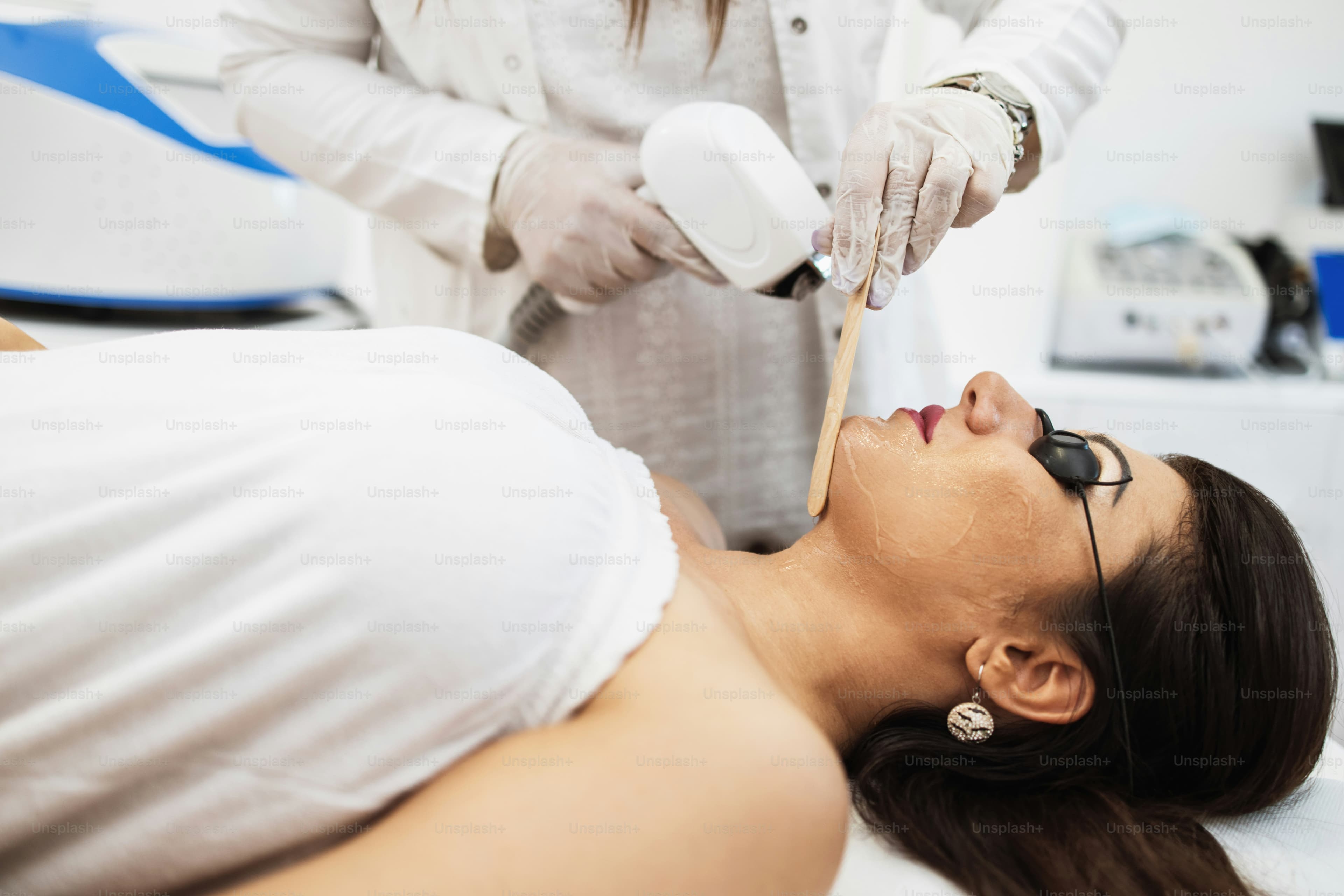
Treatment photography on this site is illustrative stock imagery. It does not depict a specific clinic, practitioner, or patient in Islamabad or Rawalpindi. Photos may show men or women; the information applies regardless of gender.
General information only. It does not replace an examination by a qualified practitioner. Individual suitability, settings, and aftercare should be confirmed in person.